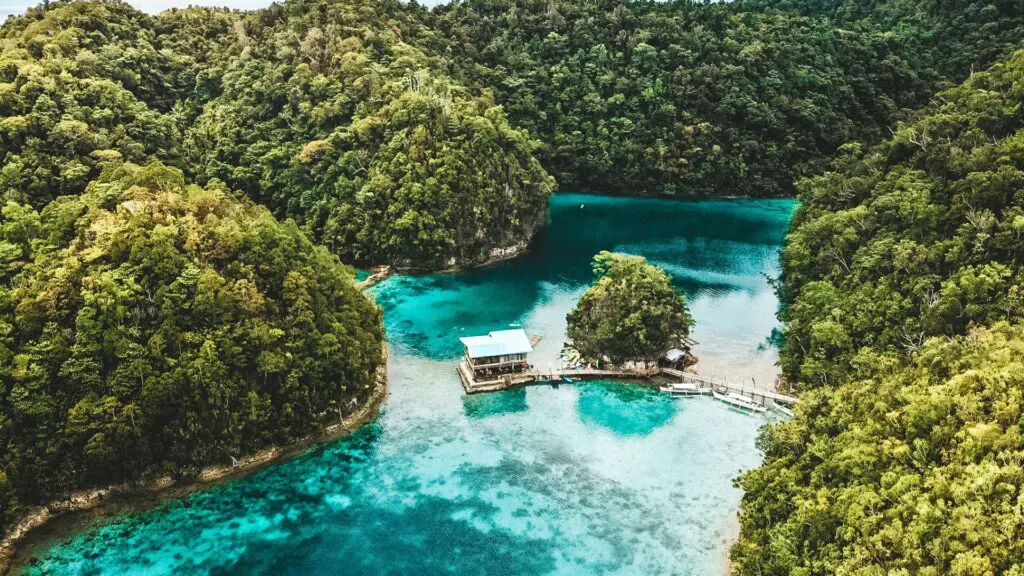
Traveling the Philippines on a budget doesn’t mean missing out, it means getting smart. Whether you’re embarking on solo travel in the Philippines, chasing waterfalls as a backpacker, or simply stretching your pesos, this guide offers 10 insider budget travel tips for 2026 to help you enjoy every island; from Luzon to Mindanao, without overspending.
1. The Philippines Is Affordable for Backpackers and Solo Travelers
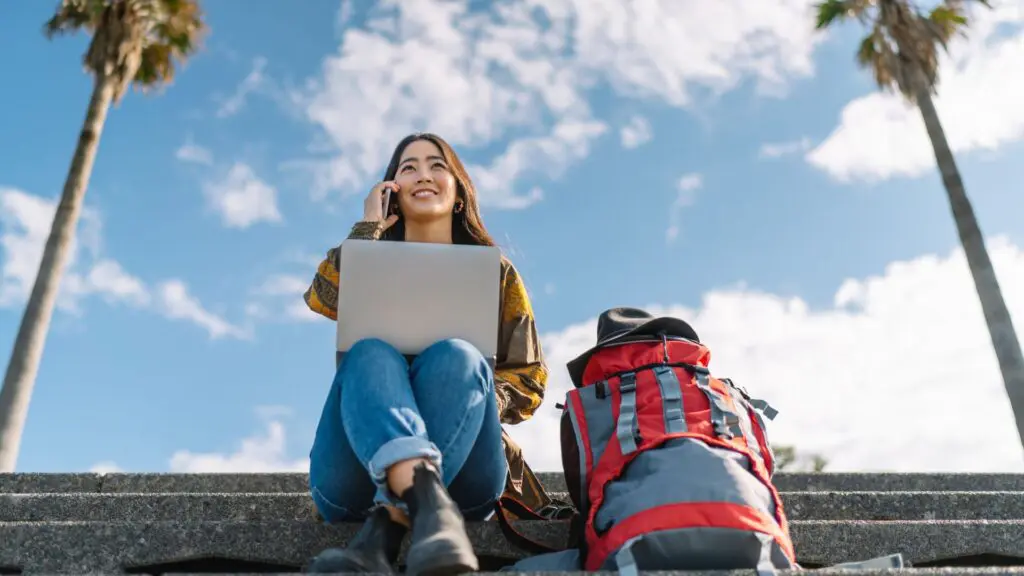
The archipelago is a popular destination for solo travelers. English is widely spoken, locals are friendly, and the backpacker infrastructure is well-developed; making it both safe and cheap to explore solo travel in the Philippines. One guide notes travelers can manage on just $30–40 USD (~₱1,700–2,300) per day, covering accommodation, food, and activities.
2. Stick to a Daily Backpacker Budget of $25–30 USD
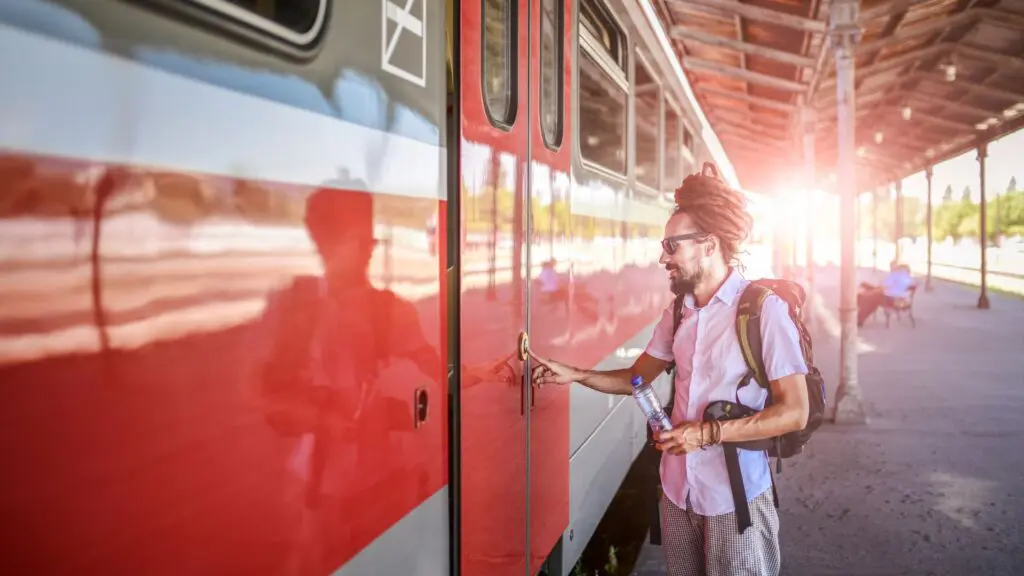
Budget travelers (backpackers) can comfortably travel on $25–30 USD per day (~₱1,400) by opting for dorm beds, local food, and low-cost transport. Even cheaper options exist for ultra-budget hikers and cyclists.
3. Utilize Budget Ferries, Jeepneys & Buses
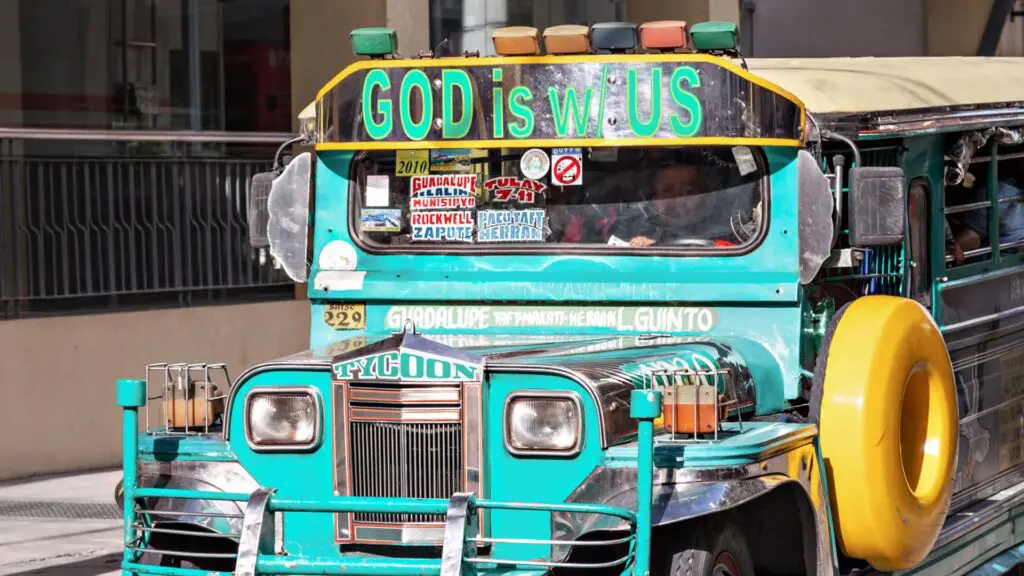
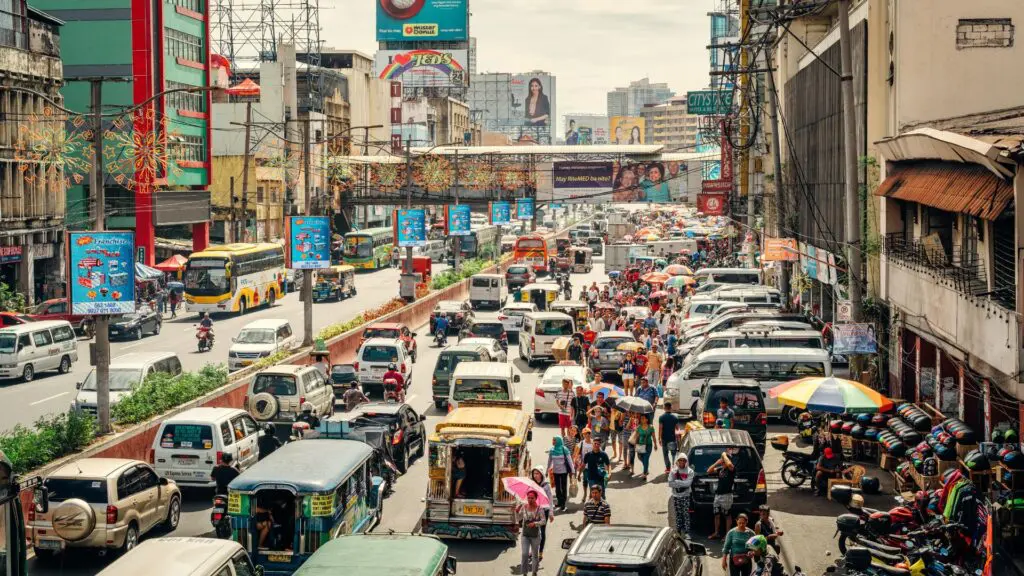
Local transport is extremely inexpensive; jeepney rides start at around ₱10–20 (~$0.20) and ferry rides from ₱200 (~$4) depending on distance. Many travelers consistently praise the Philippines as surprisingly affordable compared to Western countries or neighboring SE Asian nations.

4. Stay in Hostels or Guesthouses
Hostel dorm beds cost around $6–15 USD per night, and private rooms range from $10–20 USD. Indeed, travelers can use as little as $20/day when staying in budget digs and eating local food.
5. Eat Where the Locals Do
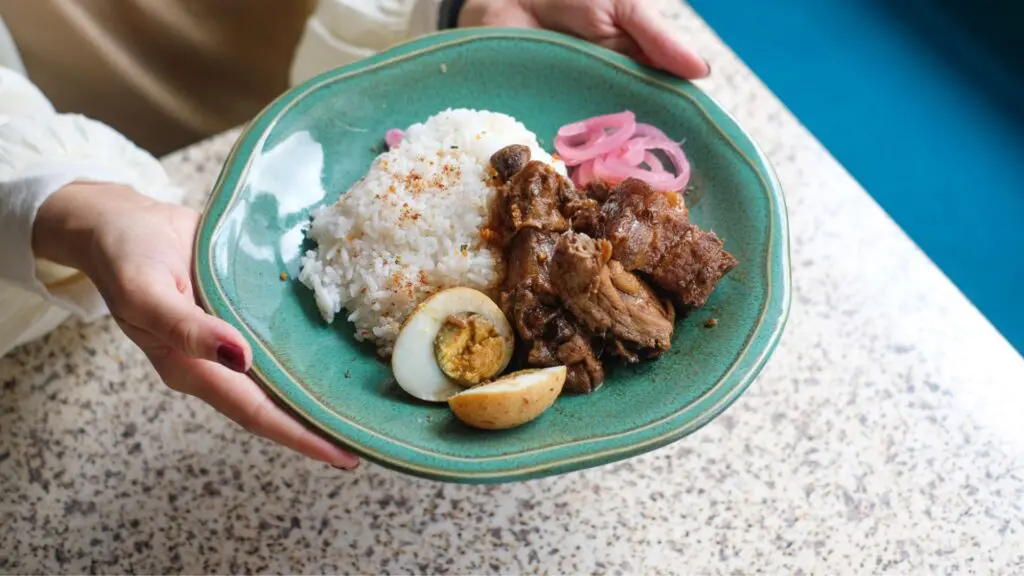
Skip touristy eats. Carinderias and street stalls offer meals for ₱50–100 (~$1–2), while snacks like kwek-kwek or fish balls cost just ₱5–20. One traveler described spending only around ₱60 on a halo-halo—a sweet, local dessert.
6. Avoid Peak Season to Save More
Visiting during off-peak months (e.g., May–July or September–November) means fewer crowds and cheaper accommodations. One Filipina solo backpacker confirms that prices triple during Holy Week and Christmas, so avoiding those dates can save you big.
7. Carry a Refillable Water Bottle
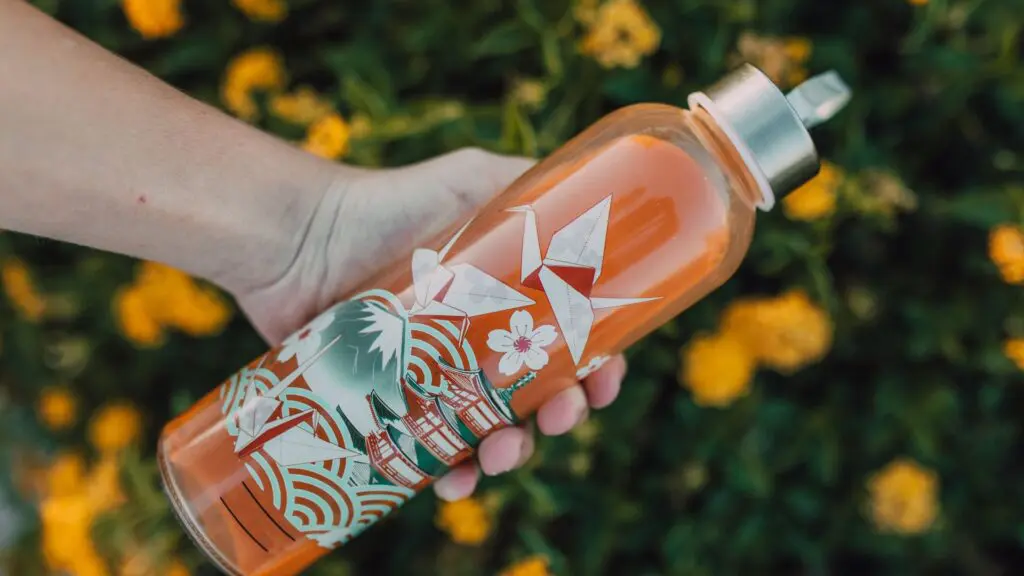
Tap water isn’t generally safe, but carrying a reusable bottle with a filter like a LifeStraw; lets you avoid daily water costs while staying hydrated and environmentally friendly.
8. Book Group Tours, Not Private Ones
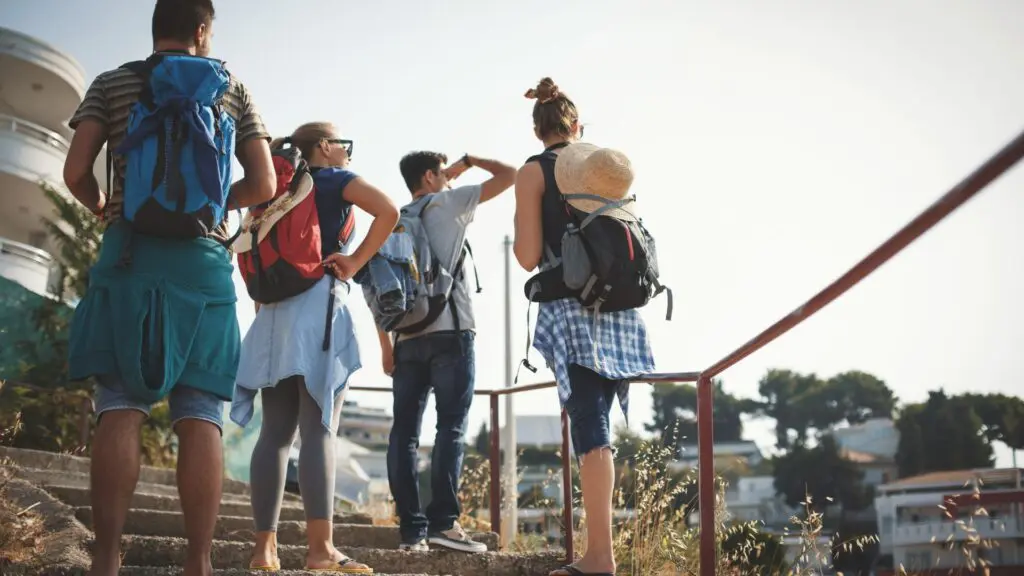
Island-hopping tours in places like El Nido or Coron cost less when shared, around ₱1,200–1,500/day (≈$21–27) including lunch, much cheaper than private boats.

9. Use Budget-Savvy Travel Apps
Apps like Organic Maps (offline navigation), 12Go Asia (booking transport), Couchsurfing or Hostelworld, and local payment apps (GCash, Maya) are lifesavers for practical, local, low-cost travel. They help you track expenses, book on the go, and connect with locals seamlessly.
10. Solo Travel Is Safe & Simple
The Philippines is one of Southeast Asia’s easiest countries for solo travelers; English-speaking, welcoming locals, and a strong visitor network. A solo traveler guide calls it a “solo traveler’s paradise” that’s affordable, safe, and rich in experiences.
Bonus: Sample Budget Summary
| Category | Cost (USD) / Day | Notes |
| Accommodation (hostel dorm) | $6–15 | Shared room |
| Food (street/carinderia) | $1–4 | Local meals & snacks |
| Transport (jeepney/ferry) | $0.20–4 | City & inter-island moves |
| Island-hopping tour | $21–27 | Lunch included (shared group) |
| Total Approx. Budget | $25–30 | Backpacker-level daily spend |
FAQs
Q: Can I travel the Philippines for $20–30 a day?
A: Yes, many backpackers manage on USD $25–30 (~₱1,400) daily with hostel stays, local food, and low-cost transport
Q: Is solo travel in the Philippines safe and cheap?
A: Absolutely! It’s very solo-traveler friendly, affordable, and English-speaking, making it easy to navigate on your own.
Q: What’s the cheapest local transport?
A: Jeepney rides start at ₱10–20, and ferry rides begin at ~₱200, making inter-island travel home to affordable adventures.
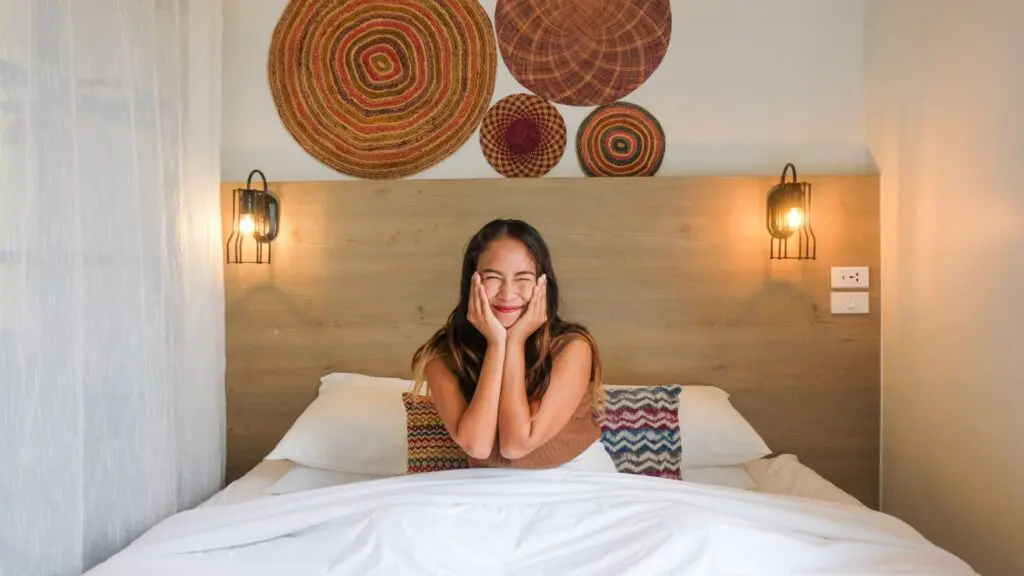
Perfect idea 🙌 — adding a tie-in to Lub d makes the blog both SEO-strong and useful for converting readers into potential guests. Since Lub d operates hostels across the Philippines and SE Asia, we can naturally recommend it as a budget-friendly accommodation option for backpackers and solo travelers.
Here’s a paragraph you can insert before the Conclusion in your blog, with Lub d’s internal links included:
Stay at Lub d: Affordable Comfort for Backpackers in the Philippines
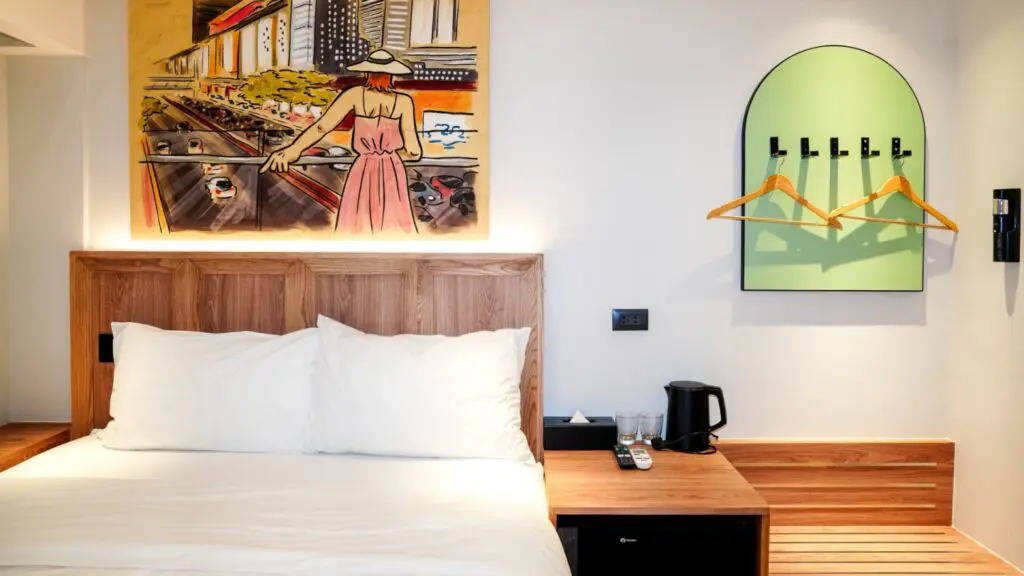
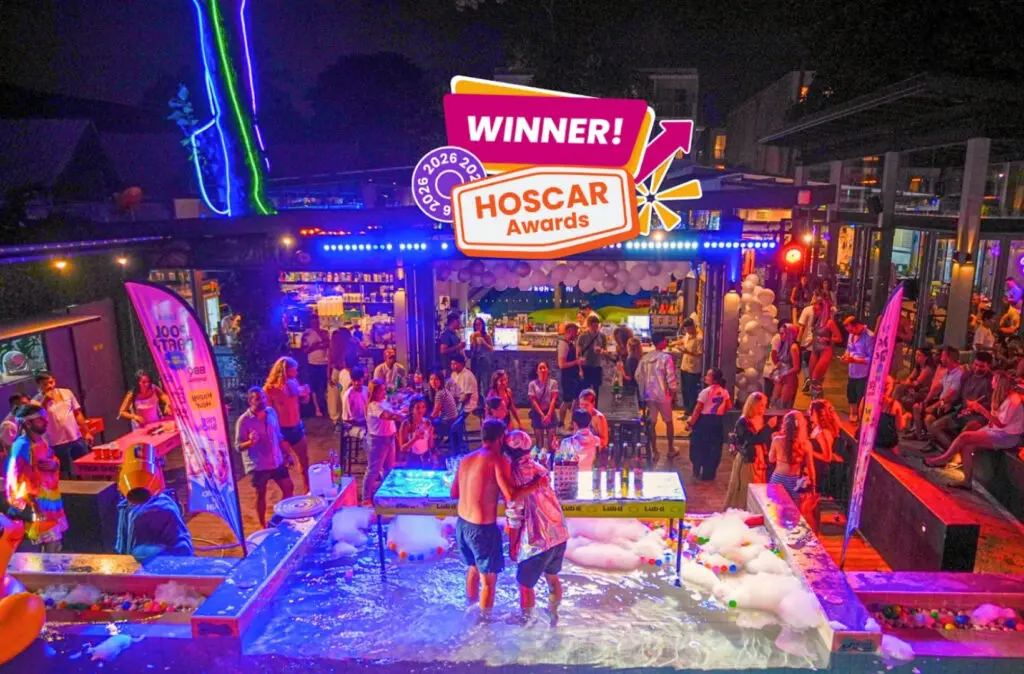
When it comes to budget travel in the Philippines, choosing the right accommodation can make all the difference. For backpackers and solo travelers, Lub d is a top choice—combining affordability, style, and community vibes. Whether you’re exploring Lub d Makati, Manila for easy access to the capital’s nightlife, planning your island escape at Lub d Koh Samui or Lub d Koh Tao Tanote Bay, or heading further into Southeast Asia with Lub d Bangkok Siam and Lub d Phnom Penh, Lub d offers budget-friendly stays with social events, co-working spaces, and stylish dorms or private rooms.
💡 Insider tip: Lub d hostels are especially great for solo travelers in the Philippines, since their communal spaces make it easy to meet fellow backpackers and even share travel costs on tours and transport.
Read Also:
How to Survive Night Buses in Southeast Asia: A Budget Traveler’s Guide
How to Overcome Solo Travel Anxiety: A Beginner’s Guide
Best Travel Apps for Backpackers in the Philippines